Why Crypto's Volatility Hides Immense Promise (- #CryptoInsights)
The Crypto Revolution is Officially Global: How 2025 Cemented Digital Assets' Legitimacy
It's here. It’s really, finally here. After years of hype, skepticism, and enough FUD (fear, uncertainty, and doubt) to make your head spin, 2025 has arrived as the year crypto finally grew up. We're not talking about just Bitcoin mooning or another flash-in-the-pan NFT craze. We’re talking about a tectonic shift in global finance, as governments and institutions alike are not just acknowledging crypto, but actively building around it.
The World is Building on Crypto: From Stablecoins to Institutional Adoption
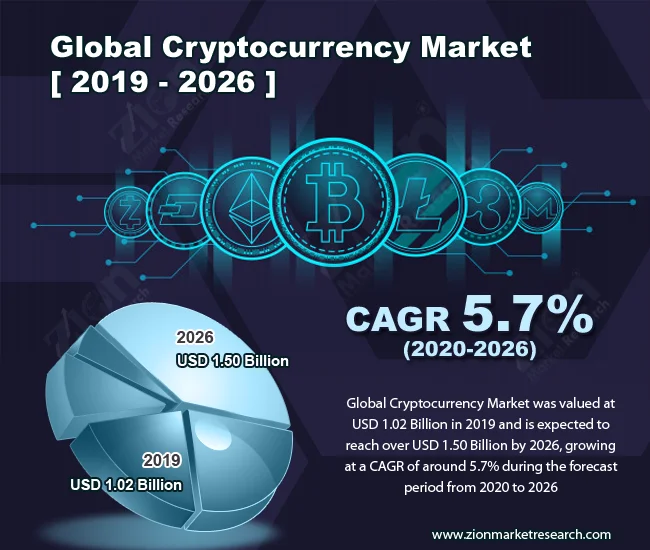
The Global Crypto Policy Review Outlook 2025/26 Report - TRM Labs says it all: with over 70% of jurisdictions actively developing stablecoin regulatory frameworks, 2025 was the year stablecoins went mainstream. Think about that for a second. Stablecoins, designed to be pegged to fiat currencies, are becoming a key battleground for regulatory control. It’s like the early days of the internet when governments were scrambling to figure out how to tax and regulate this new digital frontier. Now, we're seeing the same thing happen with crypto, but at warp speed. The speed of this is just staggering—it means the gap between today and tomorrow is closing faster than we can even comprehend.
And it's not just stablecoins. The report also highlights that approximately 80% of the reviewed jurisdictions saw financial institutions announcing digital asset initiatives in 2025. Eighty percent! That’s not a trend; that’s a full-blown avalanche. Banks and investment firms that once scoffed at crypto are now diving in headfirst, launching their own digital asset products and services. The Basel Committee, responsible for global banking regulations, is even reassessing its proposed rules for banks' crypto exposures. This is a huge deal, and marks a significant shift in the perception of crypto from a fringe asset to a legitimate part of the financial system.
Global Regulatory Landscape: Key Developments in 2025
Just look at the GENIUS Act in the US, establishing a federal regime for stablecoin issuance, reserves, audits, and oversight. Or the EU's MiCA rules, which came into force, setting a clear framework for crypto asset service providers (CASPs). Germany is leading the charge in Europe, with BaFin approving a significant number of CASPs. Hong Kong's stablecoin framework is in effect, Indonesia transitioned crypto oversight to OJK, Japan is considering crypto as securities, Korea commenced an institutional trading pilot, and Thailand approved USDC and USDT stablecoins. Even Vietnam is getting in on the action with its Digital Technology Industry Law.
It's like watching a global symphony orchestra slowly tuning up, each instrument—each country—finding its place in the digital asset ecosystem. It’s not perfect, of course. There are still plenty of challenges and uncertainties ahead. But the direction is clear: crypto is here to stay, and it's becoming an integral part of the global financial landscape.
Challenges and Risks: Security Breaches and Ethical Considerations
Of course, it's not all sunshine and rainbows. The North Korean hack of Bybit, stealing over USD 1.5 billion in Ethereum tokens, is a stark reminder of the security risks that still plague the crypto world. And Argentina's presidential memecoin scandal? Let's just say it adds a touch of surreal humor to the whole saga. But even these incidents, in a strange way, underscore the growing importance of crypto. After all, you don't hack something that's worthless, and you don't investigate a memecoin unless it has some real-world implications.
The FATF and FSB continue to monitor the implementation of crypto regulations, stressing the importance of cross-border cooperation and regulatory alignment. The BIS, while optimistic about tokenized forms of central and commercial bank money, still has concerns about stablecoins. It’s a balancing act, finding the right regulatory framework that fosters innovation while protecting consumers and preventing illicit activity.
Ethical Considerations and the Road Ahead
Now, let's talk about the ethical side of things. With great power comes great responsibility, and crypto is no exception. As we move towards a more decentralized, digital future, it's crucial that we address the potential risks and challenges. We need to ensure that crypto is used for good, not for evil. We need to protect consumers from scams and fraud. We need to prevent money laundering and terrorist financing. I think it is our duty as innovators and technologists to make sure these new technologies are used to empower individuals, not to exploit them.
Remaining Hurdles and Future Potential
There are still hurdles to overcome. The crypto industry is concerned about the UK's proposed stablecoin caps, fearing it could stifle adoption. Taiwan's VASP sector is optimistic about the cleanup driving greater trust, but the industry needs to ensure compliance standards are maintained. India still lacks broader regulatory clarity, and El Salvador's Bitcoin adoption continues to be a unique experiment.
But, looking at the big picture, I see a future where crypto is not just a niche asset class, but a fundamental building block of the global economy. I see a future where decentralized finance (DeFi) empowers individuals and small businesses, giving them access to financial services that were once out of reach. I see a future where blockchain technology revolutionizes industries from supply chain management to healthcare to voting.
The Dawn of Decentralized Finance
So, what does all this mean? It means we're on the cusp of a new era, an era of decentralized finance, where individuals have more control over their money and their data. It means we're building a more transparent, efficient, and inclusive financial system. It means the crypto revolution is not just a technological phenomenon; it's a social and economic revolution.
I remember when I first started researching blockchain techn
Related Articles
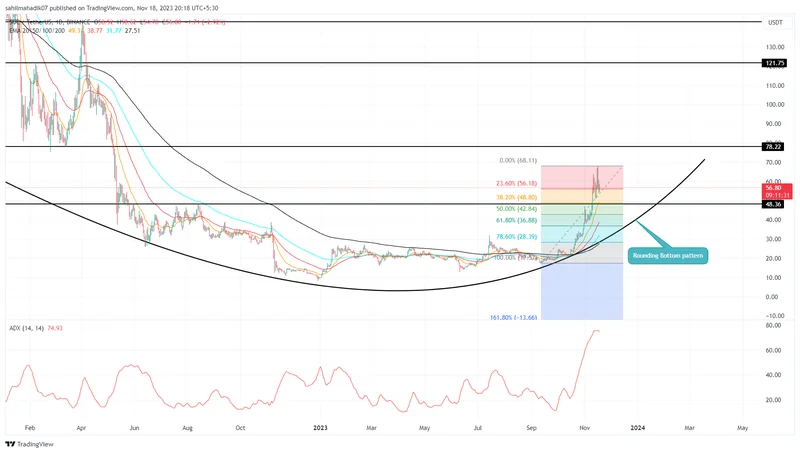
Solana Price Drop: What's Behind It All?
Solana's Dip? Nah, It's Wall Street Loading Up the Rocket Fuel! Okay, folks, let's talk Solana. I kn...
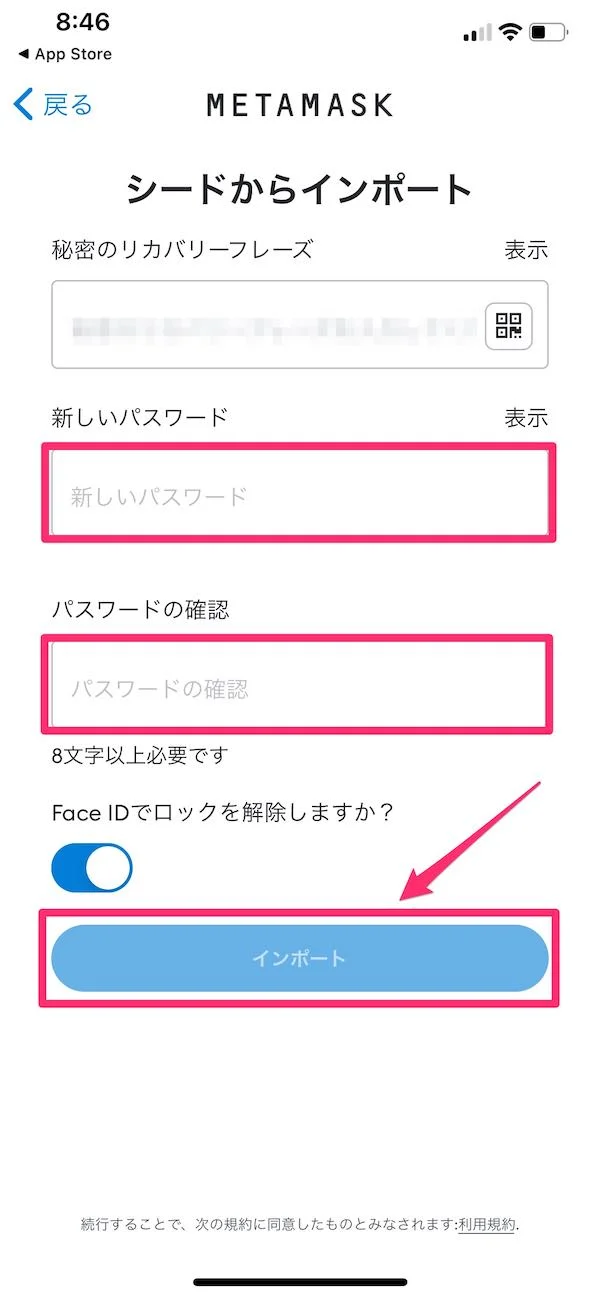
MetaMask: What It Is, How It Works, and Why It's Your Key to Web3
For years, we’ve thought of MetaMask as a key. A simple, indispensable tool. It’s the friendly fox i...
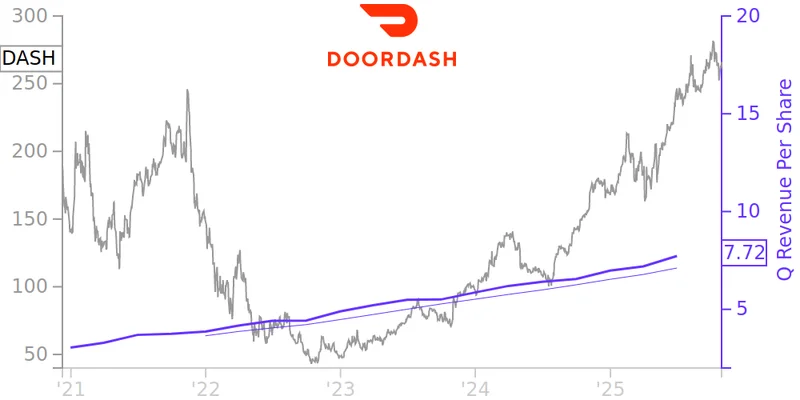
DoorDash Stock Drop: What Happened and What We Know
Dr. Aris Thorne: NBCUniversal's Cookie Notice and the Looming AI Revolution Okay, folks, buckle up b...

PAX Gold: What It Is and Why You Should Be Skeptical
So, everyone’s losing their minds because gold, the world’s oldest pet rock for paranoid investors,...

The Rise of Concordium: What It Is, Why It's Surging, and What Comes Next
For years, the crypto world has been dominated by a single, rebellious narrative: decentralize every...
CIFR Stock Soars on Amazon Deal: What Happened and Why?
CIFR's $5.5 Billion Amazon Deal: Are We Witnessing the Dawn of Decentralized AI Power? Okay, folks,...